Electric loop sterilizer
Sirius micro-incinerator
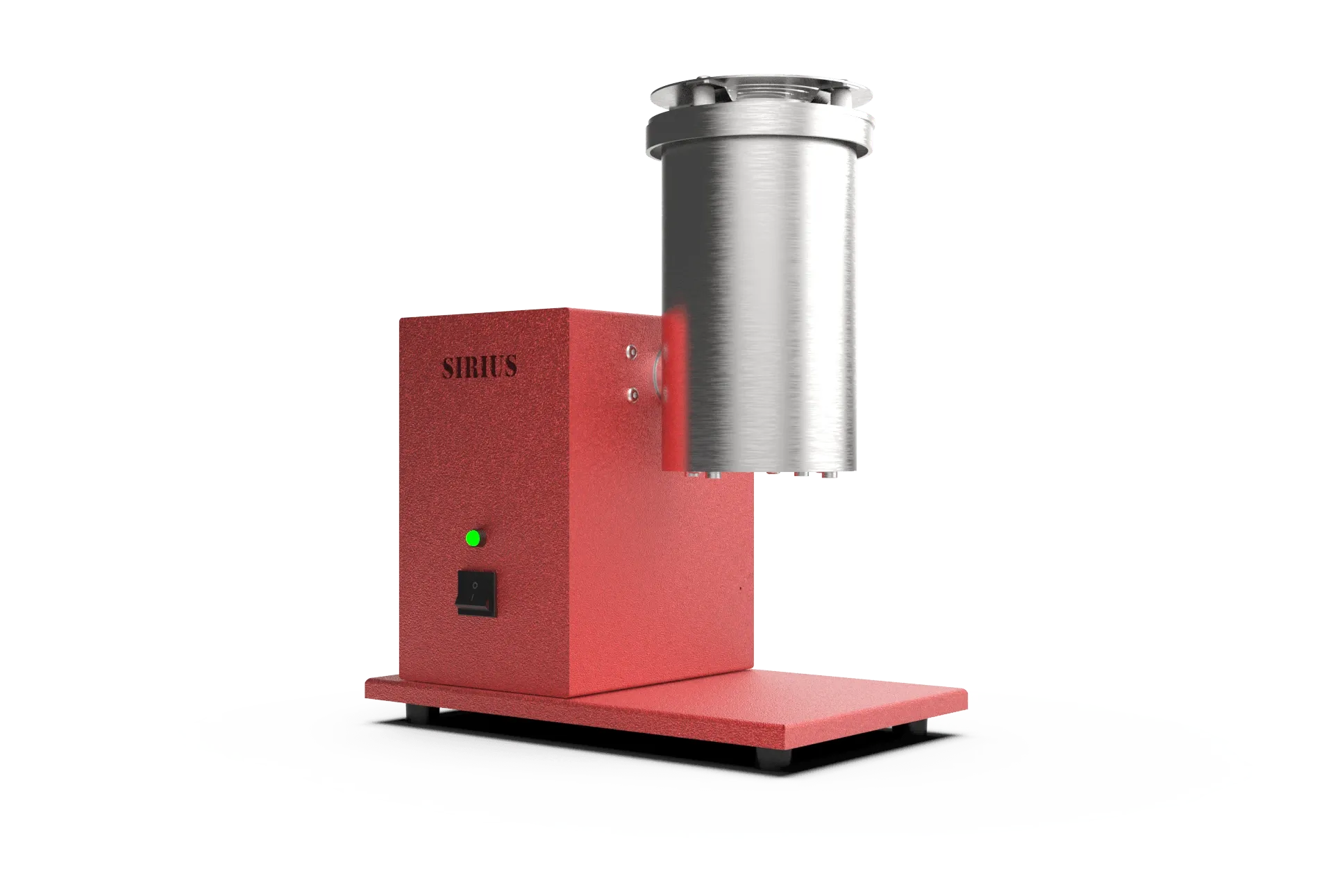
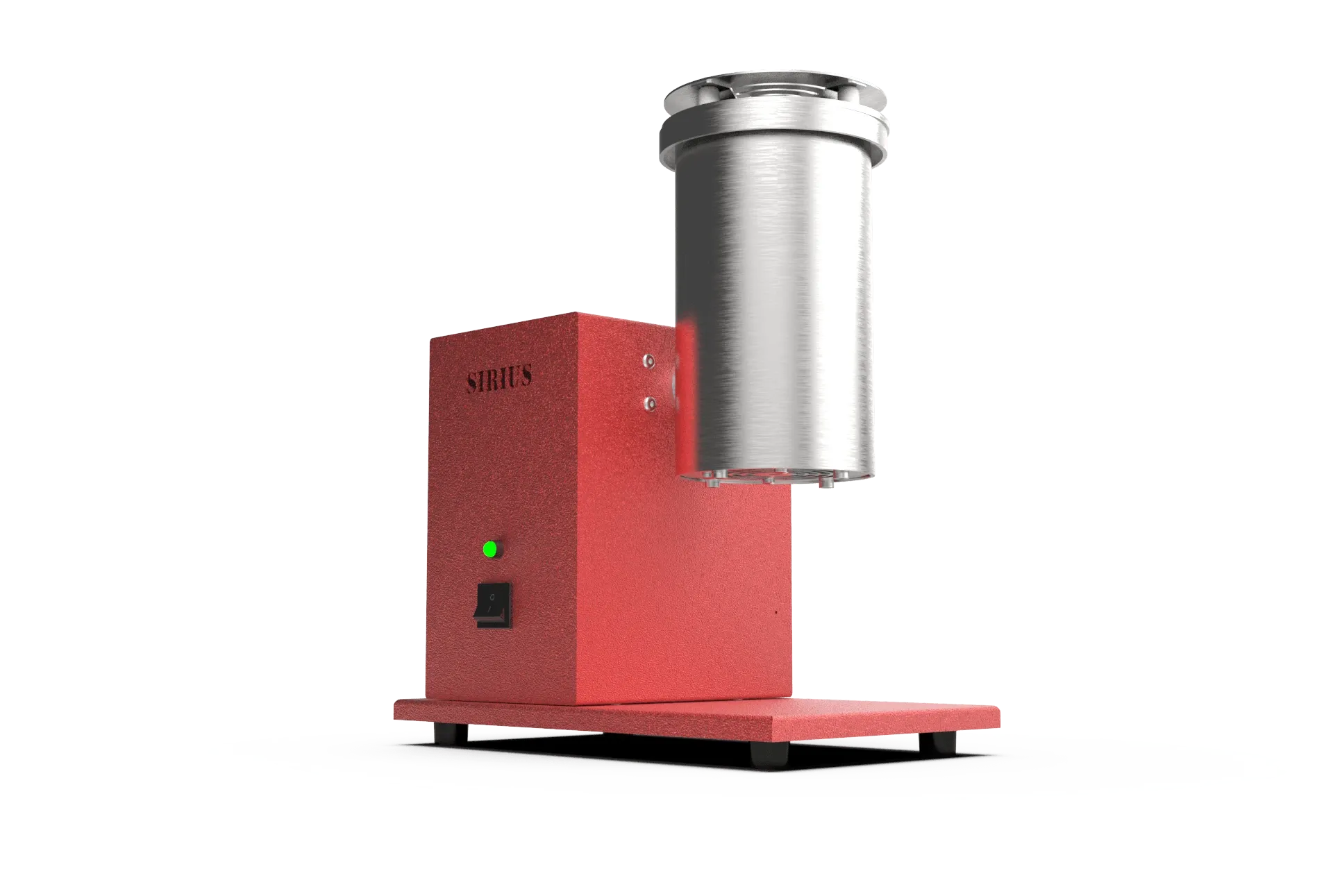
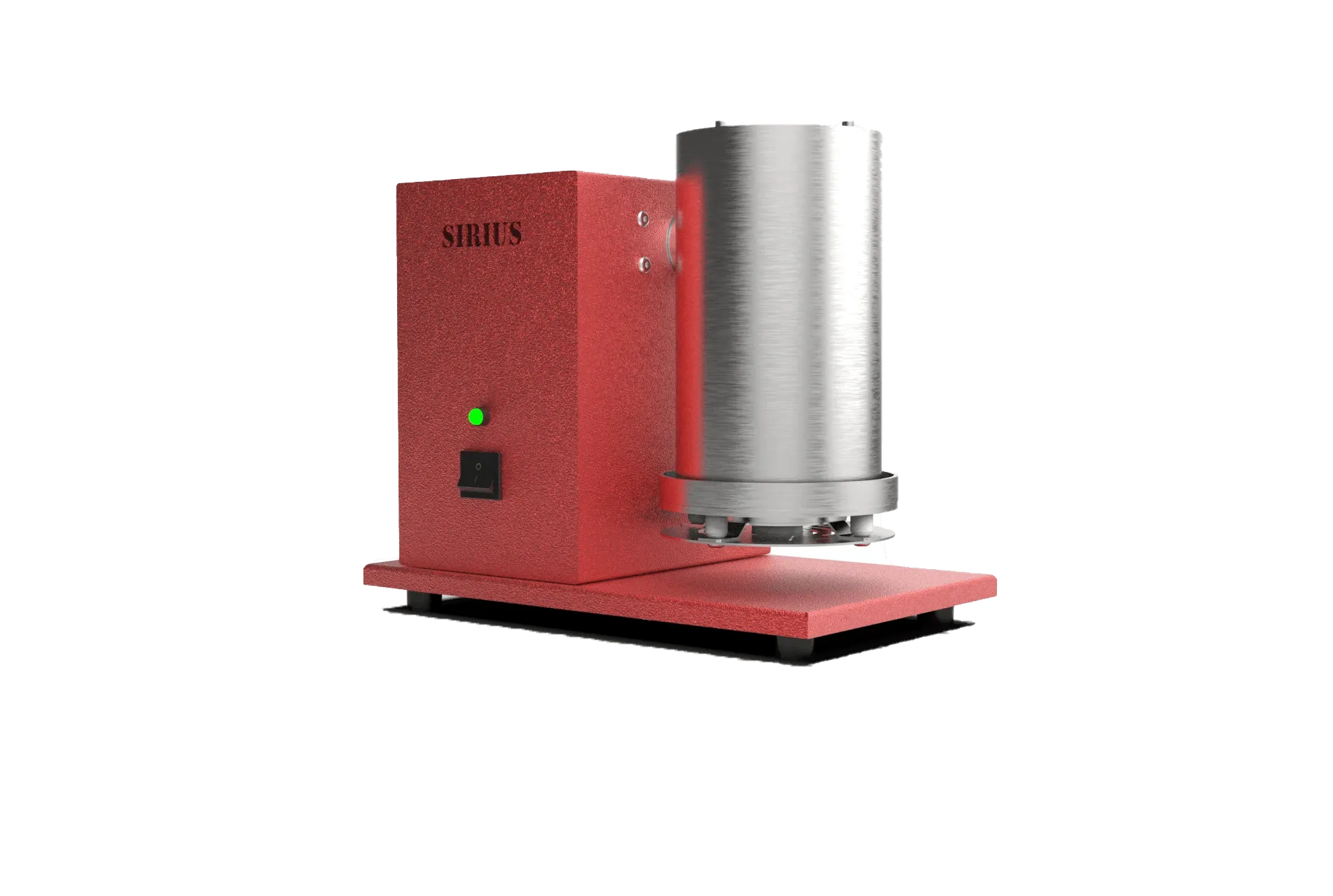
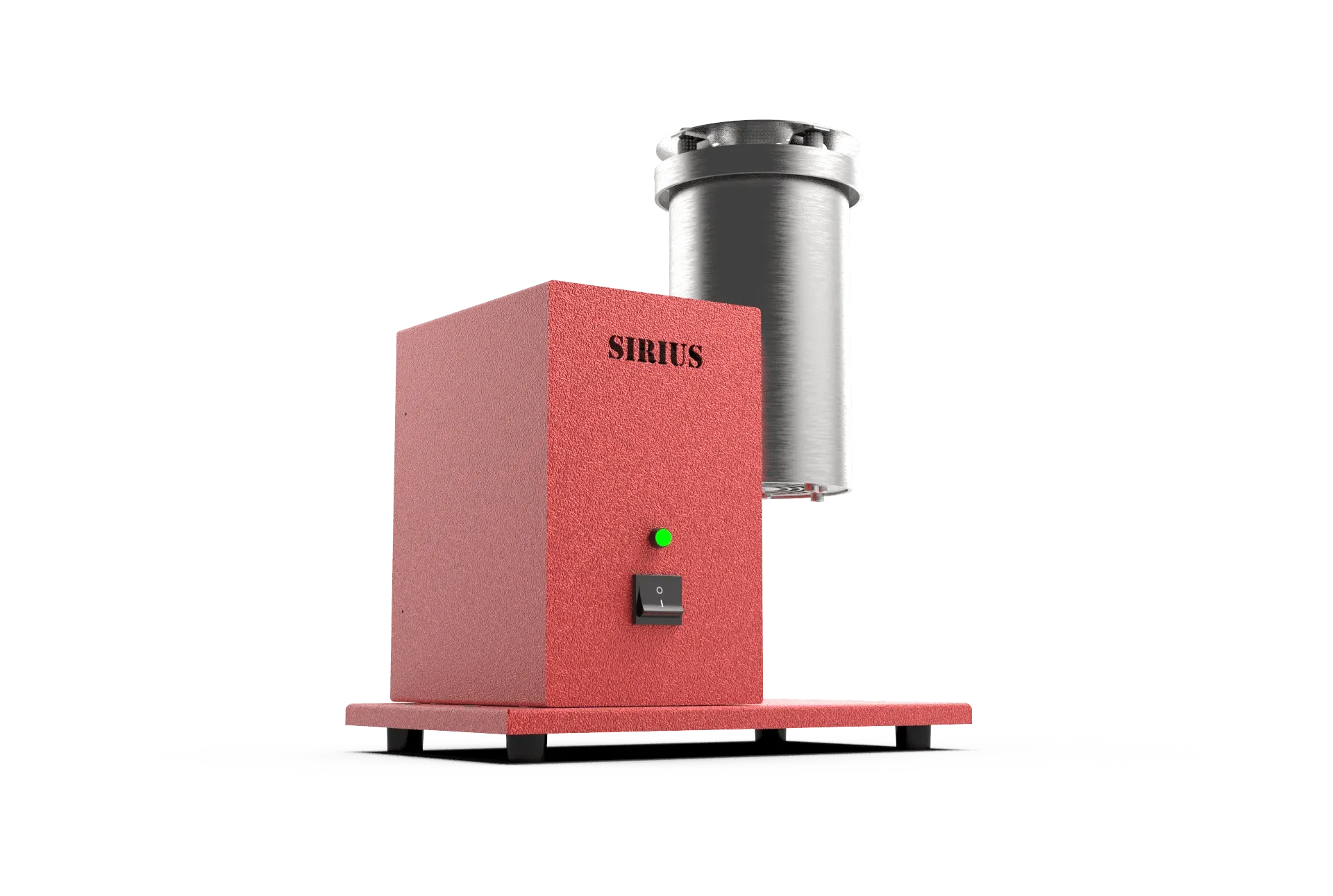
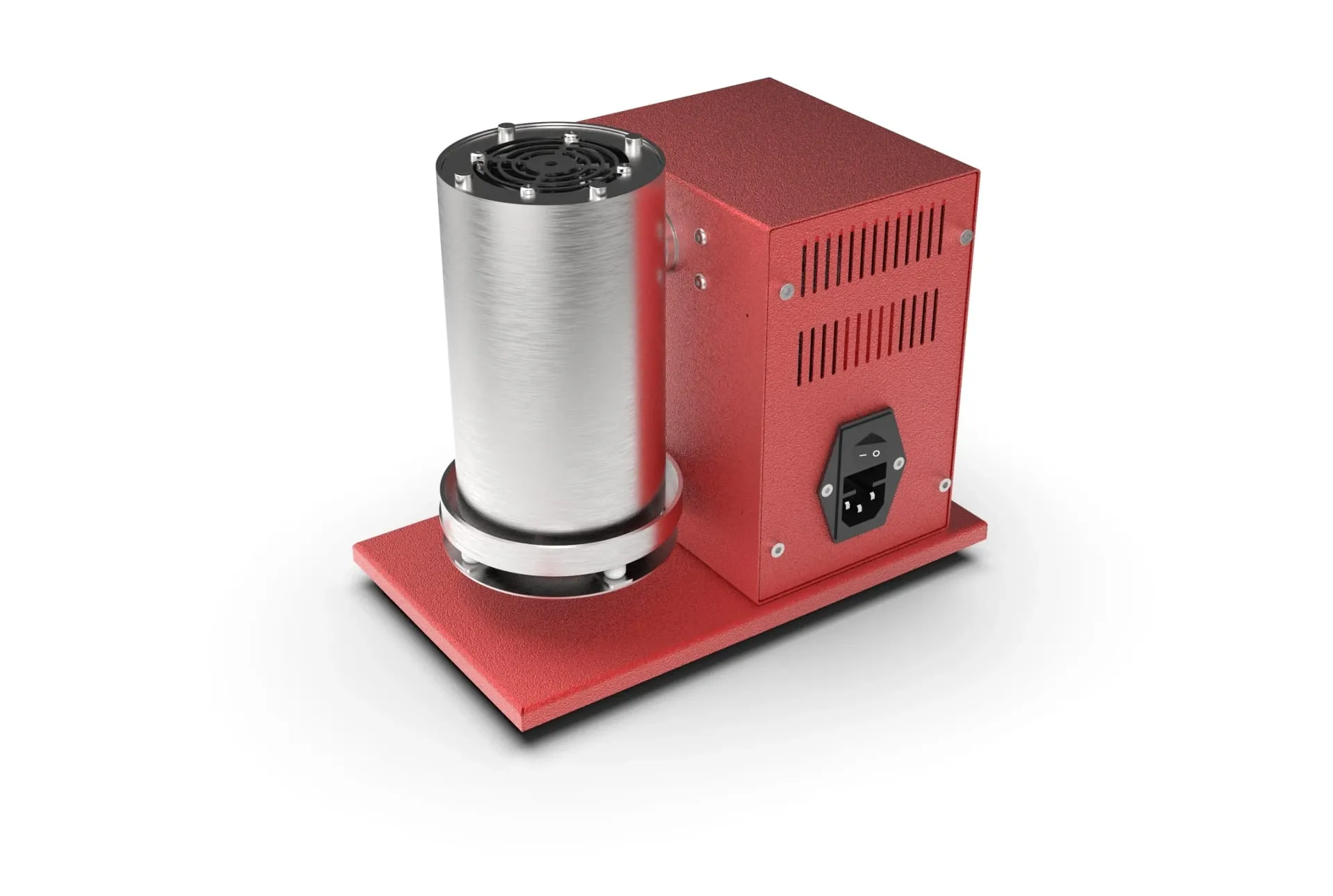
Flameless, gas-free and aerosol-free: an electric loop sterilizer that sterilizes inoculation loops and needles inside a quartz tube in seconds. Use it instead of a Bunsen burner.
Technical summary
| Supply | 230 V mains |
|---|---|
| Heater voltage | 12 V (via internal transformer) |
| Sterilization temperature | Approximately 1000 °C |
| Loop / needle time | Approximately 2–4 seconds |
| Sterilization chamber | Quartz tube |
| Quartz tube size | Ø22 mm × 100 mm |
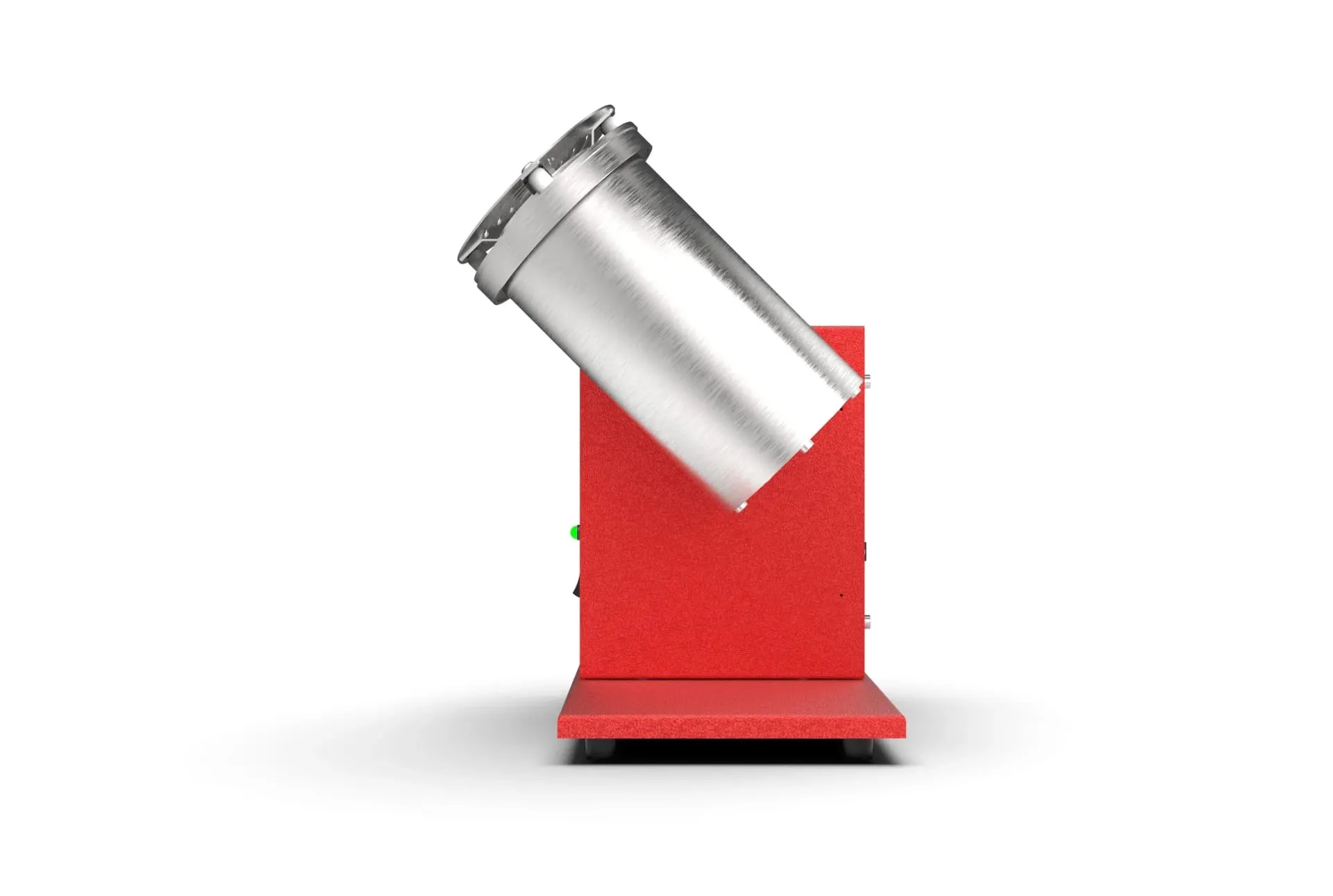
| Rotation | 270° |
| Weight | 1.8 kg |
| Warranty | 2 years |
Key features
User safety
The heating element runs at 12 V. The outer surface of the device can be touched during operation.
Prevents aerosols
Sterilization takes place inside the quartz tube. Microorganisms picked up from a liquid medium do not form aerosols.
Suitable for biosafety cabinets
It does not disturb the airflow inside the cabinet and does not damage the cabinet filter.
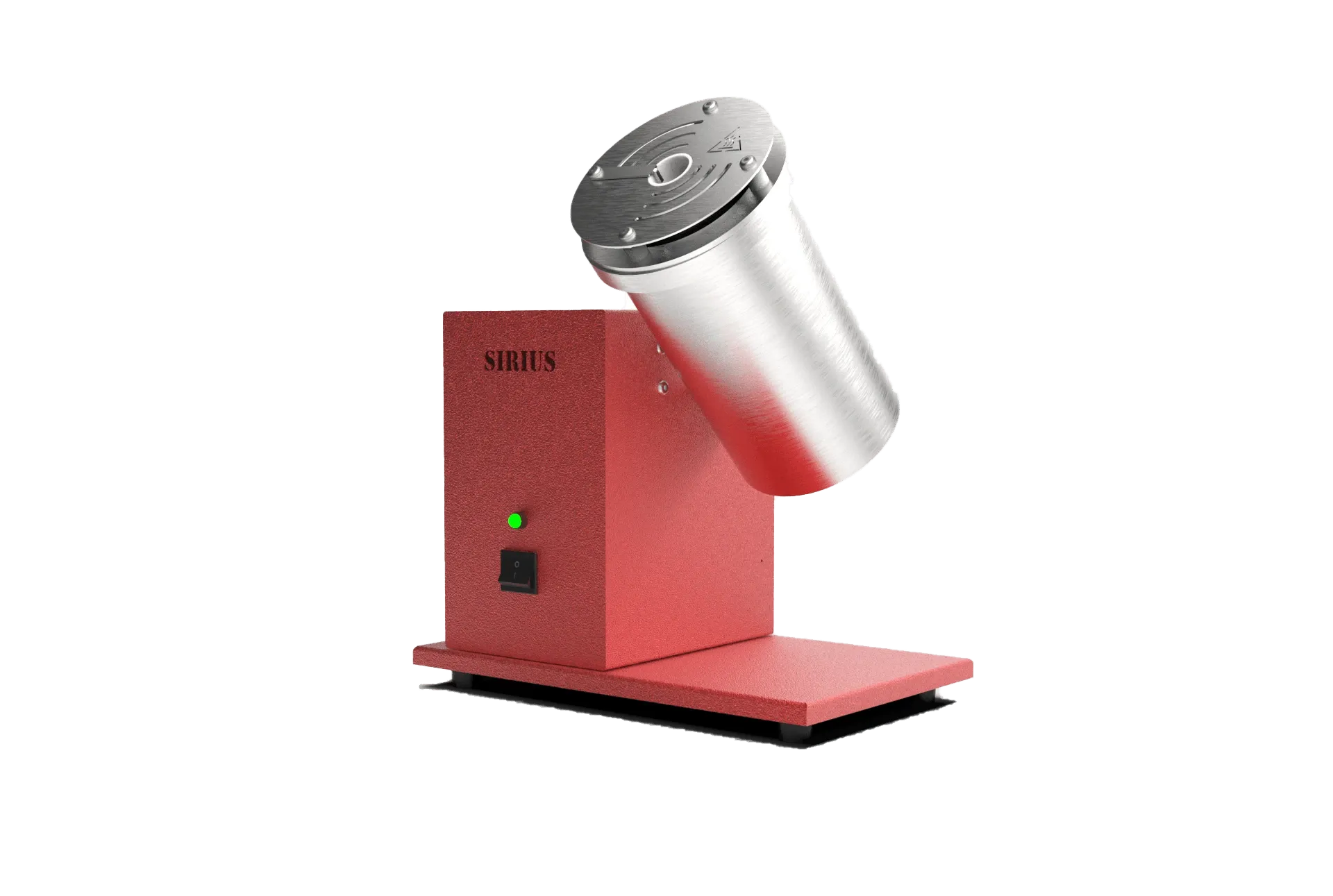
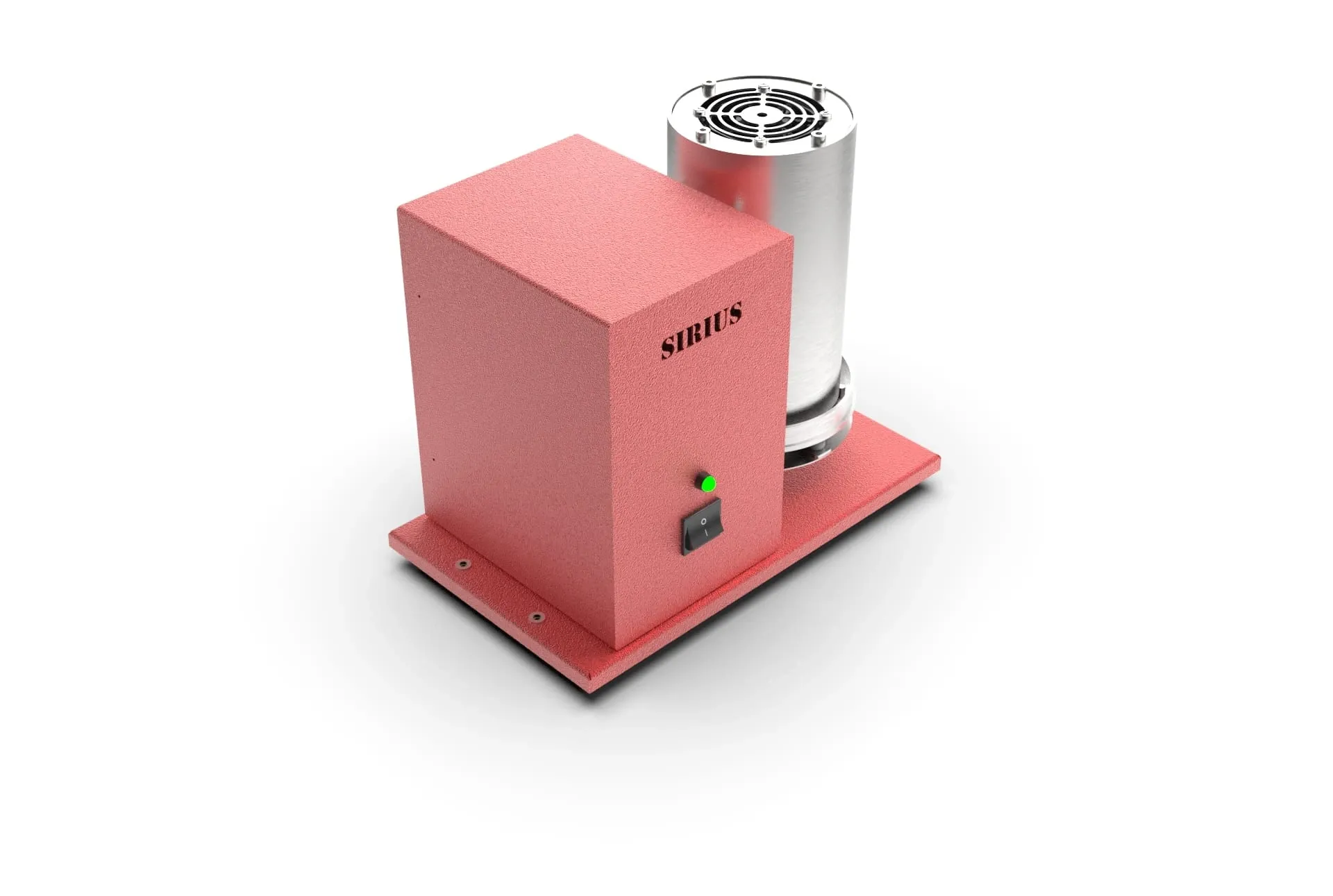
270° rotation
Rotate the device and work at the angle that suits you.
Multi-purpose
Loop and needle sterilization, culture tube mouth sterilization and slide fixation.
Low energy consumption
Uses an energy-efficient, environmentally friendly electronic circuit design.
How does a micro-incinerator work?
A micro-incinerator is a benchtop device that sterilizes microbiology instruments inside an electrically heated tube instead of an open flame.
Working principle
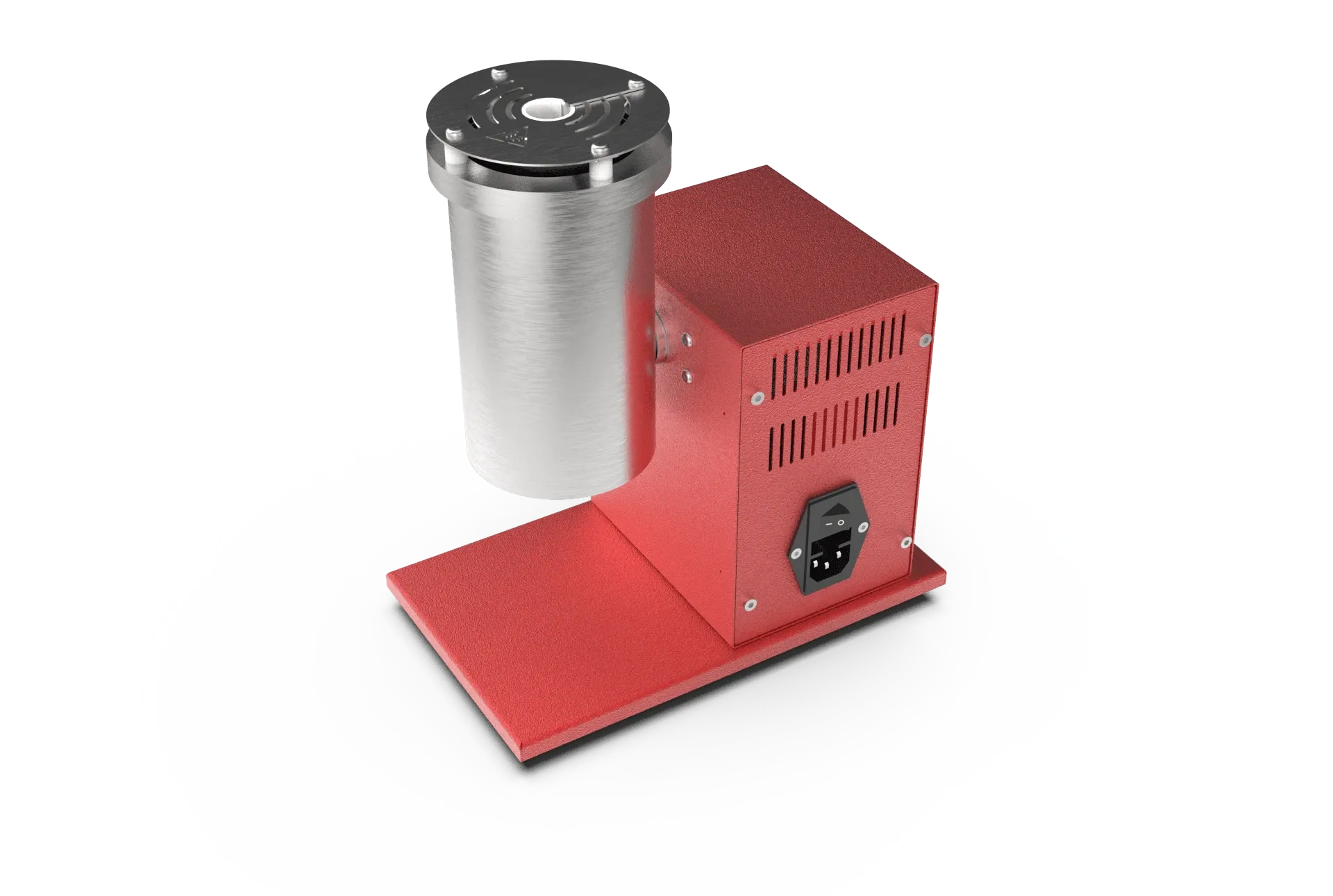
Sirius runs on a 230 V mains supply. The transformer inside the device steps the voltage down to 12 V, and the heating element runs at this voltage. The heating section brings the quartz tube to approximately 1000 °C.
When you place a loop, a needle or a similar instrument into the device's quartz tube, it is sterilized in approximately 2–4 seconds. Microorganisms picked up from a liquid medium are burned inside the tube, so no aerosol is formed.
Why a quartz tube?
With a Bunsen burner, microorganisms picked up from a liquid medium can spatter in the flame and form aerosols. In the Sirius, the same process takes place inside an enclosed quartz tube, so aerosol formation is prevented.
Main parts of the device
Transformer
Steps the 230 V mains voltage down to 12 V.
Heating element block
The heating section that runs at 12 V.
Quartz tube
The tube in which sterilization takes place (Ø22 × 100 mm).
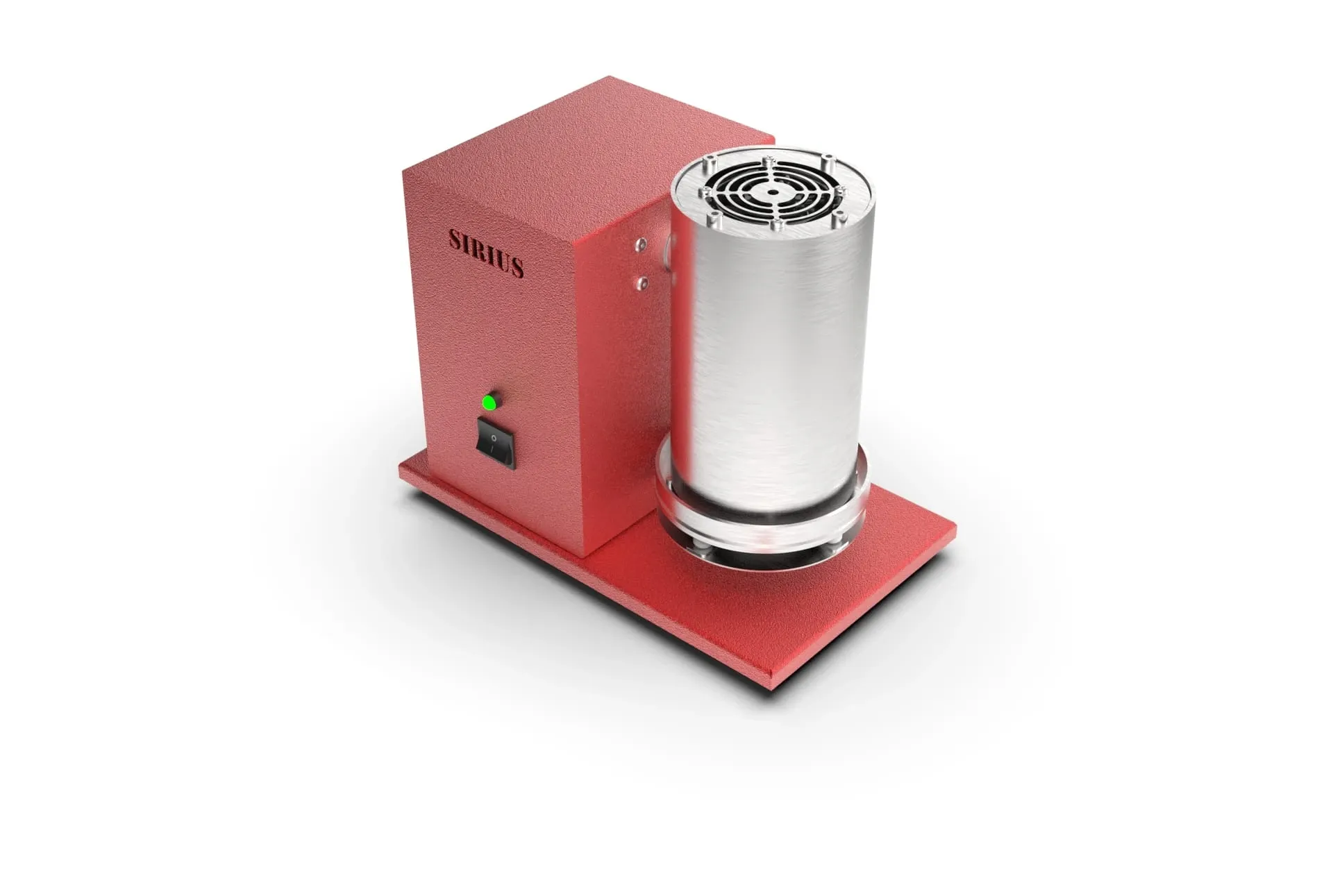
Fan
The fan inside the device.
See our spare parts page for each part. Part replacement is carried out by the manufacturer.
Use in a biosafety cabinet
Open-flame Bunsen burners can disturb the airflow in a biosafety cabinet and damage the HEPA filter. A micro-incinerator does not affect the airflow inside the cabinet and does not damage the filter system. University and laboratory biosafety guidelines also recommend flameless methods instead of an open flame in the cabinet.
The use of micro-incinerators for laboratory and user safety is recommended by the World Health Organization and the Turkish Ministry of Health.
What can you sterilize? Loops and needles, the mouths of culture tubes, and slides (slide fixation).
More angles
Product videos
Common questions
What is a micro-incinerator and what is it used for?
A micro-incinerator is a benchtop device that sterilizes microbiology instruments such as inoculation loops and needles electrically, without an open flame. The instrument is sterilized in a few seconds inside a heated tube.
How is it different from a Bunsen burner?
A Bunsen burner runs on gas and produces an open flame. A micro-incinerator runs on electricity and sterilizes inside a quartz tube. No gas connection is needed and aerosol formation is prevented.
How long does sterilization take?
Loops and needles are sterilized in approximately 2–4 seconds.
Can it be used in a biosafety cabinet?
Yes. Unlike an open-flame burner, it does not disturb the airflow inside the cabinet and does not damage the cabinet filter.
Can I use it while wearing gloves?
Yes. The device is designed for comfortable use with gloves.
What voltage does it run on?
It runs on a 230 V mains supply. An internal transformer steps the voltage down to 12 V, and the heating section operates at 12 V.
For more answers, see the FAQ page. For spare parts, see our spare parts page.
Quote or spare parts request
For institutional purchases and spare parts requests, you can speak directly to the manufacturer.